
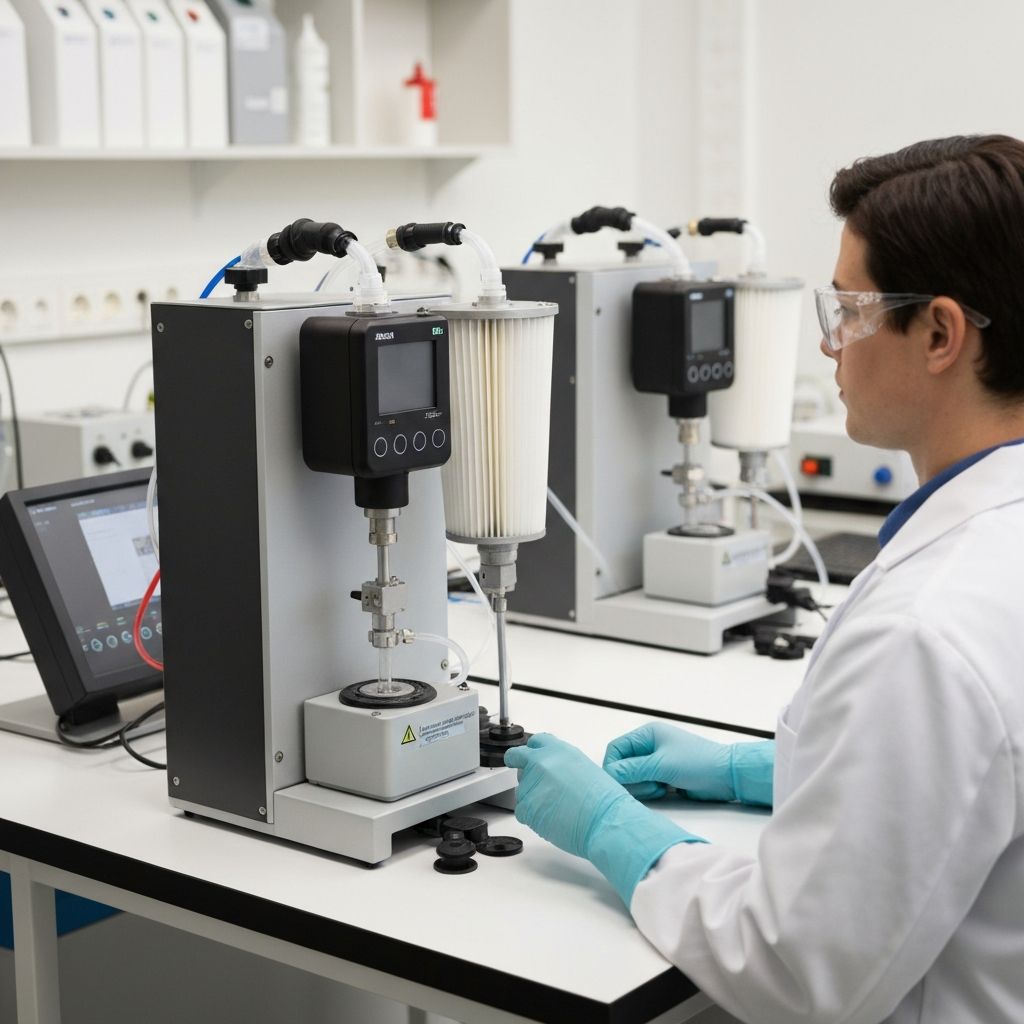
Toxic Molds
Produce mycotoxins—chemical poisons that can cause serious health problems. The most well-known is "black mold" (Stachybotrys). Requires professional handling.
Toxic molds (toxigenic molds) release mycotoxins into the air—chemicals that can harm even healthy people. Stachybotrys chartarum, often called "black mold," is the most notorious example. Not all dark mold is toxic, but if you suspect it, get a professional inspection immediately.
If you experience unexplained respiratory symptoms or neurological issues, consult a physician and mention potential mold exposure.
Common Toxic Species
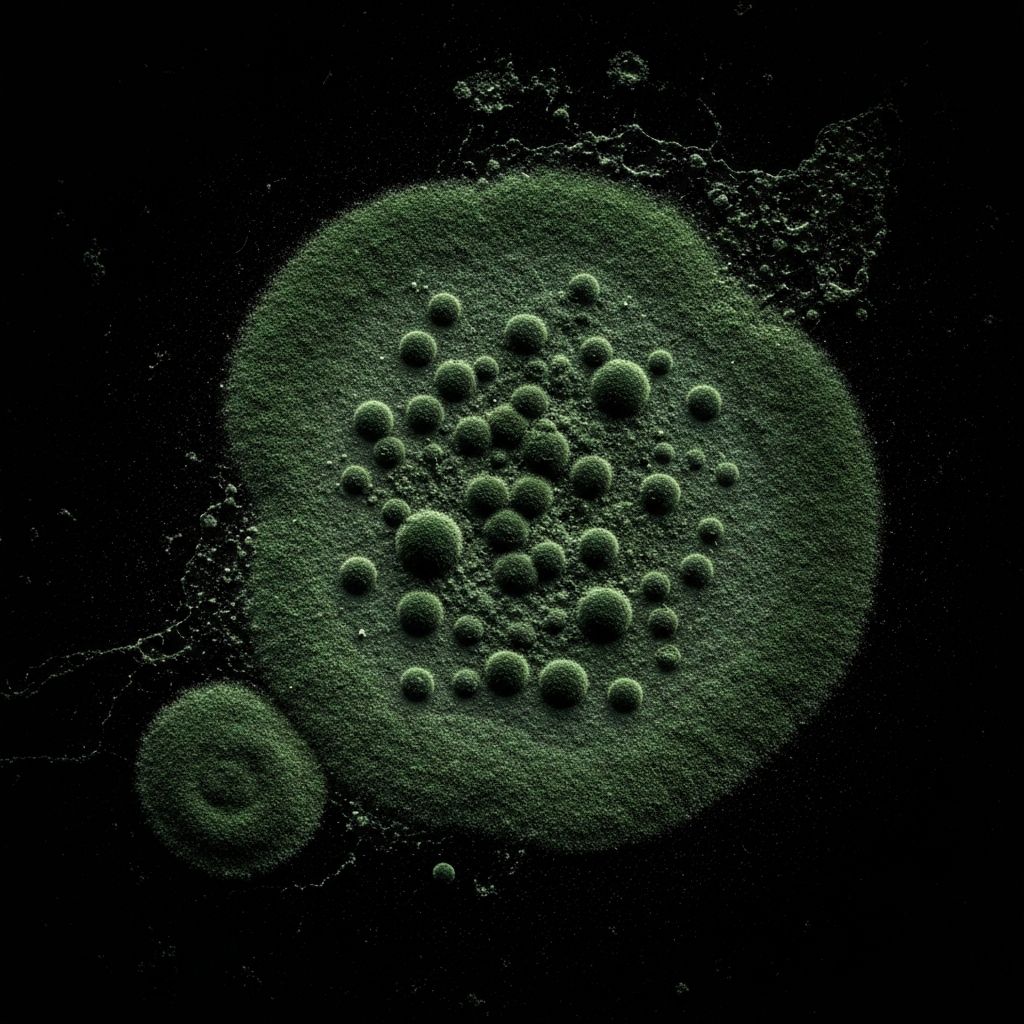
Stachybotrys chartarum
Dark greenish-black, slimy texture. Grows on water-damaged cellulose materials.
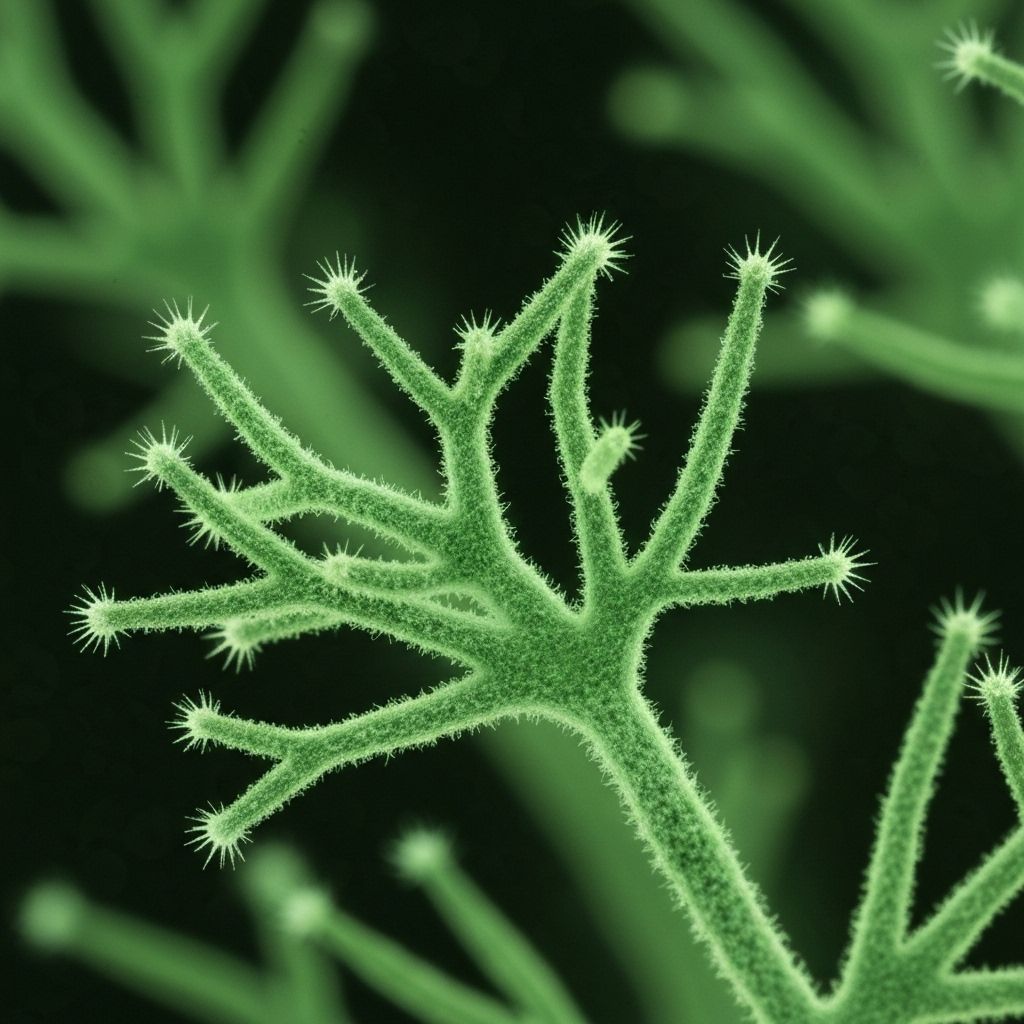
Aspergillus versicolor
Yellow-green to gray. Produces sterigmatocystin, a carcinogenic mycotoxin.
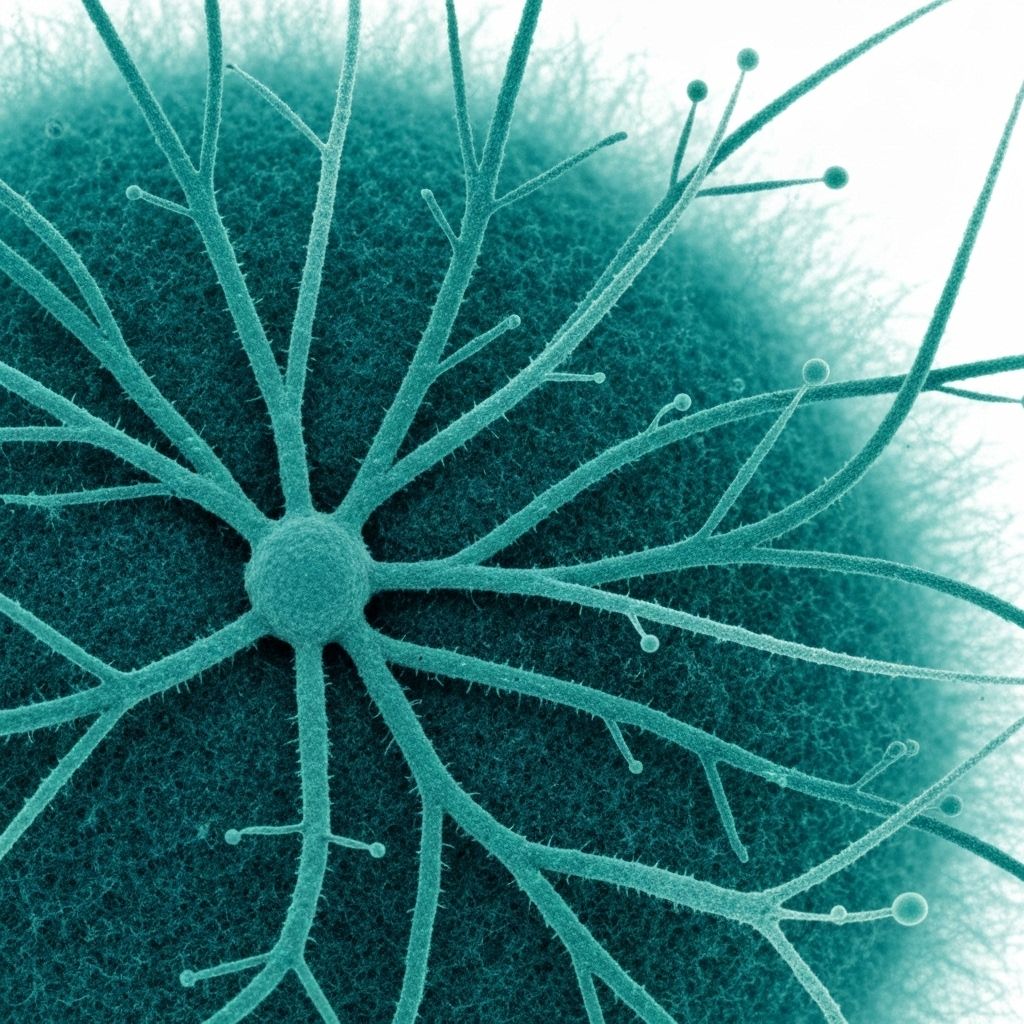
Certain Penicillium Species
Blue-green. Some species produce ochratoxin A and other harmful mycotoxins.
Where Mold Can Thrive
Mold can grow anywhere moisture and organic materials are present. Common problem areas include:
Water Damage & Leaks
Areas with water damage or past leaks, including around pipes, windows, and roofs
HVAC Systems
Air handlers, duct interiors, condensation pans, and filters
Hidden Spaces
Attics, crawl spaces, basements, behind walls, under flooring
Porous Materials
Drywall, wallpaper, carpet backing, wood, and other cellulose materials
Critical Prevention Steps
⚠️ Critical Rule:
Address water damage within 24 hours. Control humidity and fix leaks promptly. Never disturb suspected toxic mold—call a professional.
Address water damage within 24 hours
Never ignore persistent musty odors
Maintain indoor humidity below 50%
Inspect hidden areas regularly (crawlspaces, attics)
Fix all leaks immediately—no exceptions
Get professional inspection after any flooding
Serious Health Effects
Acute Symptoms
- • Severe respiratory distress
- • Chronic coughing and bleeding in lungs
- • Persistent headaches and fatigue
- • Nausea and vomiting
Long-Term Effects
- • Neurological symptoms (memory loss, confusion)
- • Immune system suppression
- • Chronic respiratory conditions
- • Potential organ damage with prolonged exposure
⚠️ Important Warning
Never attempt to remove toxic mold yourself. Professional containment and remediation are essential. If you suspect toxic mold, get a lab-verified inspection immediately.
Explore Other Mold Categories
Allergenic Molds
Trigger allergic reactions in sensitive individuals but generally not dangerous to healthy people.
Learn More →Pathogenic Molds
Can cause infections in people with weakened immune systems or underlying health conditions.
Learn More →Get Clear Answers Today
Worried about mold? Fill out the form and Joe will personally review your situation and get back to you within 24 hours with honest guidance.